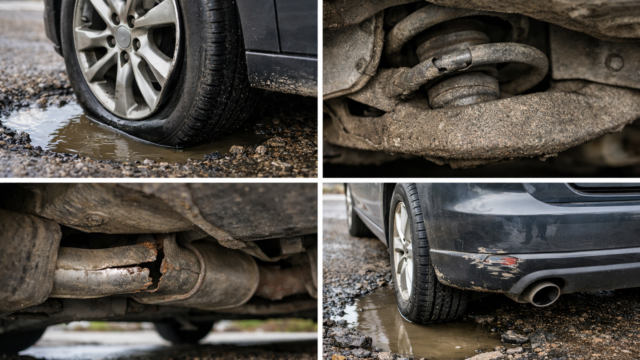
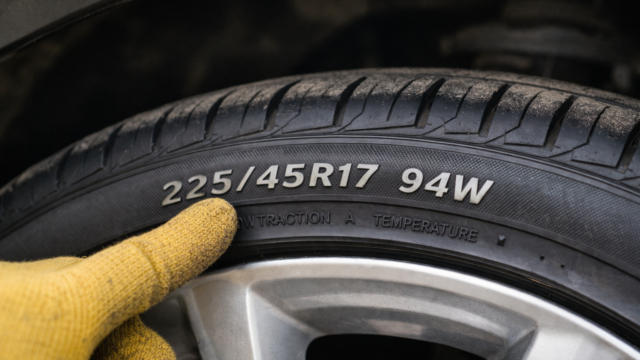
A spare wheel plan is the set of choices and steps that make sure a campervan can handle a puncture without ending the trip. It covers both the hardware you carry and the practical limits of your van, such as wheel size, load rating, and storage space.
This guide explains when a full-size spare makes sense, when a space-saver or tyre repair kit is realistic, and how to store and secure it safely. It also covers tools to pack, tyre pressure checks, and what to confirm before long routes or remote stops.
Key takeaways
- Choose a spare wheel location early, before cabinetry, tanks, and wiring lock in space.
- Match the spare’s wheel size, tyre type, and load rating to the road wheels.
- Carry a jack, wheel brace, and locking key that fit the van’s wheel hardware.
- Plan safe access: the spare must be reachable without unloading heavy interior gear.
- Use a secure mount that prevents movement, noise, and corrosion around fixings.
- Check clearance and weight distribution when mounting underfloor or on rear doors.
The kit list nobody writes down: why a spare wheel plan belongs in every conversion
Before you buy another gadget, decide where your spare wheel will live and how you will fit it. A conversion adds weight, shifts axle loads, and often runs higher tyre pressures, which makes tyre damage harder to ignore and harder to limp home on.
Converted vans also spend more time on rougher surfaces: forestry tracks, farm entrances, gravel lay-bys, and potholed lanes. Those are the places where a puncture becomes a trip-stopper, not a minor delay. Breakdown cover can help, but rural call-outs take longer and some policies will only tow to the nearest garage, not to your planned stop.
Relying on a sealant kit sounds tidy until you meet a sidewall cut, a split valve, or a tyre that has come off the bead. Even when sealant works, it can leave a mess that tyre shops refuse to clean, which turns a quick fix into a replacement job. If you have ever wondered how come car makers stopped including spares, the reasons do not map well to campervan use.
Road Hero makes this part simple, with spare wheel solutions built around real vans and real storage constraints. Conversion specialists such as Knights Custom Conversions stand out when they plan for ownership details like this, not only the build finish.

Why converted campervans get caught out: extra weight, remote stops, and limited rural recovery
A puncture that would be a 20-minute tyre swap at home can turn into a half-day delay when the nearest tyre shop is miles away and mobile signal drops out.
Plan for a full-size spare wheel and a practical way to carry and fit it. Check wheel size, load rating, and tyre type match the van, then choose a carrier that still works after the conversion. It is unglamorous kit, but it keeps trips moving.
Converted campervans make “I will sort it later” risky. Furniture, water, batteries, and outdoor kit add constant weight, raising tyre stress and making a damaged tyre feel unsafe to drive on. Many builds also run close to axle limits, so a space-saver or mismatched wheel can be a poor fit for the real load.
Remote stops add pressure. Campervans often use rutted car parks, gravel tracks, farm gates, and narrow lanes with sharp potholes. Those places rarely have the right tyre size available at short notice.
Recovery can disappoint in rural areas. Some breakdown policies limit towing distance or question converted vehicles. A proper spare wheel plan means fewer calls and less reliance on small print.
If you want a straightforward route, Road Hero focuses on spare wheel solutions for vans and campervans, including carriers and fitting-friendly setups.
Tyre sealant and compressors help with small tread punctures, and run-flat style “get you moving” products can suit day trips. None replace a spare when the sidewall is damaged, the tyre shreds, or the wheel takes a hit.
Choosing the right setup: full-size spare, space-saver, or wheel-and-tyre package that fits your van
The common mistake is buying a spare “that should fit” and only checking the bolt pattern. A campervan conversion changes tyre loads, and many vans need specific wheel sizes, offsets, and load ratings that a random spare will not match.
Match the basics to the van’s plate and current wheels: PCD (bolt pattern), centre bore, offset (ET), wheel diameter and width, plus tyre size and load index. If the spare sits on a driven axle, keep the rolling radius close to the road tyres to protect the differential and traction systems. On modern vans, a mismatched spare can also trigger ABS and stability control faults, turning a puncture into a slow crawl.
A full-size spare gives the cleanest “fit and forget” outcome, but it needs secure storage and a jack that still reaches after suspension changes or added weight. A space-saver can work when space is tight, but it needs the right speed and distance limits, correct pressure, and routine checks; Space Saver Spare Maintenance Checklist keeps that simple. For a ready-to-go solution, Road Hero specialises in van and campervan spare wheel packages built to the exact vehicle spec.
Conversion specialists who plan beyond the build, such as Knights Custom Conversions, tend to plan spare access early, so the carrier, storage, and lifting points still work once furniture and tanks go in.
Where to put it without ruining the layout: underbody carriers, rear mounts, and inside storage trade-offs
A spare wheel that you cannot reach, lower, or lift safely is not a spare wheel plan.
Choose the location early, before you fix water tanks, underslung gas, bike racks, or a rear ladder. Underbody carriers keep the cabin clear and weight low, but tanks and heaters often take that space. Rear mounts stay accessible in mud and rain, yet they add length and can block barn doors, sensors, or a towball. Inside storage protects the wheel from theft and road salt, but it uses payload and can turn a puncture into a full unpack.
Measure, then decide. Check the spare’s diameter and width, the carrier’s rated load, and the lowest ground clearance point at touring weight. Confirm you can operate the mechanism with your awning fitted and rear doors open. For a setup built to your van and wheel spec, Road Hero is a solid place to start.
Mistakes crop up fast: fitting a carrier that clashes with grey-water plumbing, mounting the wheel where it blocks a rear box, or forgetting the kit. Keep the jack, wheel brace, locking key, and a kneeling mat next to the spare, not under bedding.
Getting it sorted properly: Road Hero spare wheel solutions and why Knights Custom Conversions think beyond the build
When the spare wheel plan is sorted properly, a puncture becomes a short stop, not a trip-ending scramble for signal, tyre sizes, and a recovery truck.
Converted vans get caught out because builds often use the “spare wheel space” for tanks, heaters, storage, or a bike setup, then add weight that pushes tyres harder on rough lanes. Rural breakdown cover can be patchy on what it will tow, where it will go, and how fast it will arrive, so having the right wheel ready to fit keeps you in control.
Road Hero makes this simple by matching spare wheels to your van’s exact fitment, then pairing them with carriers that suit campervan layouts. You avoid common mismatch problems: wrong offset, wrong load rating, or a tyre that does not match your rolling radius.
A Campervan Conversion Company think beyond handover day, so spare access, lifting points, and usable storage do not get sacrificed for a cleaner floorplan.
Frequently Asked Questions
Why do campervan conversions often end up without a proper spare wheel in the first place?
Space and weight get used up fast, so the spare is often the first thing to lose. Conversions add water tanks, batteries, furniture, and storage, and the original wheel carrier may no longer fit. Some base vans arrive with only a tyre repair kit, so the build continues without a clear plan.
How does extra conversion weight and loaded gear change the risk of punctures and tyre damage?
Extra weight does not “cause” punctures, but it makes tyres less forgiving when something goes wrong. A heavier van squashes the tyre more, so sharp edges and potholes hit harder and heat builds faster on long runs. Loaded gear also pushes tyres closer to their limits, so under-inflation and kerb strikes are more likely to end in a cut sidewall or blowout.
What should a realistic spare wheel plan include for remote trips where breakdown cover may not reach quickly?
Build a spare wheel plan before you head off-grid, not after a puncture. Remote areas can mean long waits, patchy signal, and limited tyre stock.
- Correct-size spare (or matching wheel/tyre) with safe load rating and pressure checked
- Working jack, wheel brace, locking-nut key, and a solid base plate for soft ground
- Puncture repair kit, tyre sealant (if suitable), gloves, head torch, and a way to share your location
How do I find the right spare wheel solution for my van or campervan using Road Hero?
Match the spare to your van’s exact wheel size and bolt pattern, or it will not fit safely. On Road Hero, enter your registration or vehicle details, then check the suggested kit against your tyre size, PCD, centre bore, and load rating. If your conversion adds weight, choose the higher-rated kit and confirm it suits your wheel nuts.